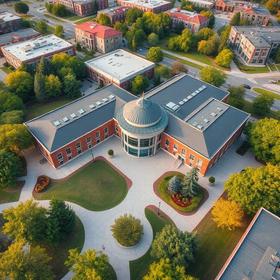

Community colleges have long served as an accessible gateway to higher education, but in 2026, their role has become even more critical. Rising tuition costs, evolving workforce demands, and the need for flexible learning pathways have positioned community colleges at the center of the American education system.
For students and families navigating an increasingly complex educational landscape, community colleges offer a practical, affordable, and adaptable solution. From career training to university transfer pathways, these institutions are meeting needs that traditional four-year colleges often cannot.
The Rising Value of Community Colleges
The importance of community colleges is closely tied to broader economic and social shifts. Over the past decade, the cost of higher education has continued to climb, prompting many families to reconsider traditional pathways. According to the National Center for Education Statistics, average tuition at four-year institutions has steadily increased, while community colleges remain significantly more affordable.
At the same time, employers are placing greater emphasis on skills, certifications, and workforce readiness. Community colleges are uniquely positioned to respond quickly to these demands.
Key Reasons for Their Growing Importance
- Lower tuition and reduced student debt
- Flexible scheduling, including online and hybrid options
- Strong alignment with local workforce needs
- Transfer agreements with four-year universities
- Support services for diverse student populations
For a deeper look at affordability trends, explore community college tuition statistics.
Affordability in an Era of Rising Costs
One of the most compelling reasons community colleges are more important than ever is cost. In