
This article has been updated to reflect 2026 data and recent developments.
Smoke-free policies at community colleges have evolved significantly over the past decade. What began as designated smoking areas has, in many cases, transitioned into fully tobacco-free campuses. In 2026, community colleges will not only ban traditional cigarettes but also address vaping, e-cigarettes, and emerging nicotine products.
This shift reflects broader public health priorities, changing student attitudes, and updated federal and state guidance. As community colleges continue to serve diverse student populations, their approach to campus health policies offers insight into larger trends in higher education.
The Shift Toward Tobacco-Free Campuses
Community colleges were early adopters of smoke-free policies, but the definition of “smoke-free” has expanded.
Today, many institutions enforce tobacco-free campus policies, which prohibit:
- Cigarettes
- Cigars and smokeless tobacco
- E-cigarettes and vaping devices
- Heated tobacco products
According to the American Nonsmokers’ Rights Foundation, thousands of U.S. colleges and universities now maintain 100 percent smoke-free or tobacco-free policies.
This shift aligns with updated public health recommendations and reflects growing awareness of secondhand smoke and aerosol exposure risks.
Why Community Colleges Are Leading the Movement
Community colleges are uniquely positioned to implement and scale these policies.
Diverse Student Populations
Community colleges serve students across age groups, socioeconomic backgrounds, and life stages. Many institutions emphasize accessible, healthy environments that support both traditional and adult learners.
Public Health Alignment
Most community colleges operate within public systems, making them more responsive to state and federal health initiatives. Policies often align with guidance from the Centers for Disease Control and Prevention.
Campus-Wide Impact
Unlike residential universities, community colleges often have open campuses. Implementing a comprehensive smoking ban creates consistent expectations across all spaces, including parking lots and public areas.
Vaping and E-Cigarettes: A Major Policy Update
One of the most important developments since the original article is the rise of vaping.
Expanded Restrictions (2024–2026)
In recent years, community colleges have updated policies to explicitly include:
- E-cigarettes
- Vape pens
- Nicotine pouches
- Disposable vaping devices
This expansion reflects growing concern about youth and young adult vaping rates.
The U.S. Food and Drug Administration continues to regulate e-cigarettes and monitor their health impact.
Student Awareness and Compliance
Colleges are pairing enforcement with education. Many campuses now offer:
- Smoking cessation programs
- Counseling services
- Awareness campaigns about vaping risks
This dual approach has proven more effective than enforcement alone.
Health and Academic Benefits
Smoke-free campus policies are not only about compliance. They are closely tied to student health and academic success.
Documented Benefits
Research over the past two years highlights several outcomes:
- Reduced exposure to secondhand smoke
- Lower rates of tobacco use among students
- Improved campus air quality
- Increased participation in cessation programs
Healthier students are more likely to attend classes consistently and perform better academically.
Students navigating broader campus life and expectations can explore https://www.communitycollegereview.com/blog/what-to-expect-your-first-semester-of-community-college for additional insights into the college environment.
Implementation Strategies Across Campuses
Community colleges use a variety of strategies to implement smoke-free policies effectively.
Policy Rollout
Successful campuses typically:
- Provide advance notice before implementation
- Engage students and staff in policy development
- Offer transition periods
Enforcement Approaches
Most institutions rely on:
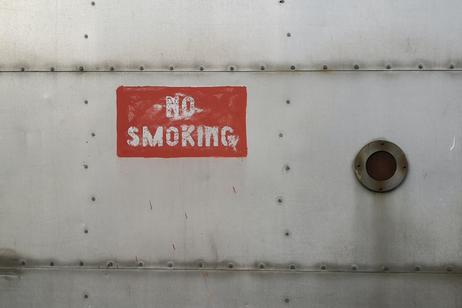
- Signage across campus
- Peer and staff reminders
- Campus security support when necessary
Strict punitive measures are less common, with a focus instead on education and compliance.
Comparison of Campus Policy Types
| Policy Type | Description | Common in 2026 |
|---|---|---|
| Designated Smoking Areas | Limited zones for smoking | Rare |
| Smoke-Free | No smoking, limited vaping restrictions | Declining |
| Tobacco-Free | No tobacco or vaping products allowed | Most common |
| Wellness-Focused | Includes cessation support and education | Growing rapidly |
This progression illustrates how campuses are moving toward more comprehensive health frameworks.
Legal and Policy Developments (2024–2026)
Recent policy updates have accelerated the adoption of smoke-free campuses.
State-Level Initiatives
Several states have expanded tobacco-free campus mandates for public colleges, including community colleges. These policies often align with broader clean air laws.
Federal Influence
While no federal mandate requires tobacco-free campuses, agencies such as the CDC continue to promote smoke-free environments as a public health priority.
Funding and Incentives
Some colleges receive grants or public health funding to support smoking cessation programs and policy implementation.
Challenges and Considerations
Despite widespread adoption, challenges remain.
Enforcement in Open Campuses
Community colleges often lack controlled boundaries, making enforcement more complex than in residential settings.
Balancing Policy and Personal Freedom
Administrators must balance health priorities with respect for individual choice, particularly for adult learners.
Addressing Nicotine Addiction
Policies alone are not sufficient. Colleges increasingly recognize the need for:
- Accessible cessation resources
- Mental health support
- Long-term behavioral interventions
The Broader Impact on Campus Culture
Smoke-free policies contribute to a broader shift in campus culture.
They signal that:
- Health and wellness are institutional priorities
- Campuses are inclusive and safe environments
- Students are supported in making healthier choices
These cultural shifts can influence student behavior well beyond their time in college.
For students evaluating different campus environments, https://www.communitycollegereview.com/blog/community-college-vs-university-key-differences-2026 offers additional context on institutional differences.
Conclusion: The Future of Smoke-Free Community Colleges
Smoke-free community colleges are now the norm rather than the exception. In 2026, policies have expanded to include vaping and other emerging nicotine products, reflecting updated health research and student needs.
As public health priorities continue to evolve, community colleges will likely deepen their focus on wellness, prevention, and education. These institutions are not only shaping healthier campuses but also preparing students to carry those habits into their personal and professional lives.
Their leadership in this area underscores a broader mission: supporting student success through environments that prioritize both education and well-being.