
Overview

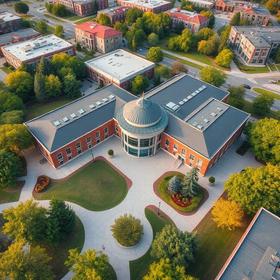
What is a community college and why are more students turning to them? Who are some of the most famous community college graduates? Here you’ll find the answers to these questions and more.

View the most popular articles in Overview:

Switching Careers? Consider Going to Community College

Updated
|
Switching Careers? Consider Going to Community College
Considering a career change? Learn why community college could be your ideal path forward with practical tips on navigating the transition, managing costs, and avoiding common pitfalls. This guide helps career changers make informed decisions about their professional future.

Switching Careers? Consider Going to a Community College

There comes a point in every person’s life where you feel ready for a change. Perhaps you’ve been a stay-at-home parent for the past few years, or maybe you’ve been working the same job since you graduated high school. No matter what your current situation, it is customary to wonder if there might be something better out there for you.

Unfortunately, suddenly picking up and changing your life isn’t as easy as you might like – especially if you are considering a career change. With the cost of college tuition rising steadily, more college graduates enter the workforce each year with limited work experience and low wage expectations. In many fields, it’s impossible to get a job unless you have a degree, but even so, that degree may not be worth much.

So, what do you do if you want to change careers in the middle of your life and you don’t have the knowledge or experience to do it on your own? Consider going to community college. Many community colleges offer prerequisite classes that can prepare you to transfer to a traditional school if you have a particular career path in mind, or you can enter a vocational training program. Either way, choosing community college will save you some money and put you on the path to your new future. Keep reading to learn more.

This video by Linda Raynier offers four tips for a successful career change.

. . .read more

Overcoming the Stigma of Community College

Updated
|
Overcoming the Stigma of Community College
There are a number of myths and misconceptions out there that lead people to believe that community college is somehow less valid than a four-year school. Keep reading to learn why this stigma against community college is unfounded.

Overcoming the Stigma of Community College

Many people make comparisons between community colleges and “real” colleges, perpetuating the idea that a community college education is somehow less valid than one from a traditional four-year university.

  • Community colleges have long been stigmatized, but more and more students are taking to social media to declare their support for this type of education proudly.
  • There will always be people who look down on community colleges and the students who attend them, but the truth is that the line between community college and “real” college is becoming more and more blurry.

Overview of Recent Posts on Social Media

Both community colleges and traditional four-year universities are a type of higher education, but many people make an unfavorable comparison between the two. Though there are many who think that a community college degree is somehow less valuable than one attained at a private college or state university, many community college students are proud of their educational choices.

Here are some posts from social media in the spring of 2017 that show a trend toward greater support for community colleges and the students who attend them:

  • On June 3, Twitter (X) user Alexis Isabel posted, “I hate seeing people be ashamed to be going to community college. College is college. I’m proud of everyone who is trying their best.”
  • On June 3, Twitter user @TKVSH posted, “Ya’ll shaming people for going to a community college
. . .read more

Community College vs. Trade School

Updated
|
Community College vs. Trade School
Is community college or trade school a better fit for your career of choice?

After you graduate from high school you find yourself thrust out into the world with an endless array of possibilities. For many people, the years after high school are filled with more school, typically at a 4-year university. Another option, however, is community college where you can receive an education (or at least take some of your classes) at lower tuition than traditional universities in preparation for your future. Another option many people consider is a trade school. But what is the difference between community college and trade school, and how do you know which option is right for you?

This video compares trade schools and community colleges.

What Exactly is Trade School?

Also known as a technical school or a vocational school, a trade school is a program that offers students hands-on experience related to a specific career. Some of the careers that you can look forward to with a degree from a trade school include skilled labor positions like electricians, machinists, mechanics, pharmacy technicians, dental hygienists, and nuclear technicians. Compared to four-year schools that require students to take electives or general education courses, the education you receive at a trade school is more streamlined and the curricula focus on developing a specific skill set and knowledge base to ensure success in your chosen career. Many trade school programs also require students to complete some kind of apprenticeship where they work with a professional

. . .read more

Why Do Community Colleges Get a Bad Rap?

Updated
|
Why Do Community Colleges Get a Bad Rap?
More and more, students are choosing to go to community college over traditional four-year universities but community colleges still have a bad reputation. Learn why in this informative article.

Choosing a college is a huge decision – one that will affect your career options for the rest of your life. Not only is selecting a college a life-changing decision, but it can be a very challenging decision to make simply because there are so many options. Between state colleges, private colleges, and community colleges, your options are nearly limitless but, for many people, community colleges aren’t even on the radar. Why is it that community colleges get such a bad rap and is a bad reputation deserved?

In this video, Aspen Institute College Excellence Program Executive Director Josh Wyner discusses the benefits of community colleges, including how they are preparing a skills-ready workforce.

The Benefits of Community College

Before getting into the reason behind the bad rap community college often receives, it would benefit you to learn some of the reasons why someone might choose a community college over a state or private institution. You will find a list of benefits associated with community colleges below:

  • Lower Tuition Costs – The main benefit of attending community college over a state or private institution is reduced tuition costs. While a private college might charge $30,000 or more for a single year, community colleges might charge the same amount (or less) for four years of education. Not only are tuition costs lower at a
. . .read more

Is a Community College Bachelor’s Degree a Smart Choice?

Updated
|
Is a Community College Bachelor’s Degree a Smart Choice?
In recent years, community colleges have been granted permission to offer four-year degrees. For some, this represents a great opportunity to get an education at an affordable price. But for others, worry with regard to the quality of these newly established programs is a point of concern.

The lure of an affordable college education brings countless thousands of students just like you to community college campuses each semester. With a greater breadth and depth of course offerings and degree programs available than ever before, community colleges represent excellent value for many students who seek to build their skills for future educational and career endeavors. In addition to many associate's degrees and professional certificate programs, community colleges throughout the country offer select bachelor's degree programs, furthering the appeal of the community college route. However, despite the many advantages of these programs, they are not for everyone.

Degree Programs Around the Nation

The movement to allow community colleges to offer four-year degrees is borne out of the needs of the modern workforce. Education and economic officials recognize that with major gaps in the workforce in healthcare, energy exploration, and information technology, new workers need to be trained. Community colleges represent an excellent opportunity to train these workers because they are typically at the forefront of educational innovation and are much more able to respond to the changing needs of the workforce than a four-year institution.

This new wave of educational opportunity is present in all corners of the country. More than a dozen community colleges in Washington State now offer baccalaureate degrees. More than two dozen two-year institutions in Florida offer four-year degree options. Texas, Hawaii, and West Virginia community colleges have gotten on board with providing bachebachelor'see programs as well. Community colleges in 21

. . .read more

Recent Articles

Test Article, Image and Content
Test Test Test Test Test Test Test Test Test Test Test Test Test Test Test Test Test Test Test Test Test Test Test Test Test Test Test Test Test Test Test Test Test Test Test Test Test Test Test Test Test Test Test Test Test Test Test Test Test Test Test Test Test Test Test Test Test Test Test Test Test Test Test Test Test Test Test Test Test Test Test Test Test Test Test Test Test Test Test Test Test Test Test Test Test Test Test Test Test Test Test Test Test Test Test Test Test Test Test Test Test Test Test Test Test Test Test Test Test Test Test Test Test Test Test Test Test Test Test Test Test Test Test Test Test Test Test Test Test Test Test Test Test Test Test Test Test Test Test Test Test Test Test Test Test Test Test Test Test Test Test Test Test Test Test Test Test Test Test Test Test Test Test Test Test Test Test Test Test Test Test Test Test Test Test Test Test Test Test Test Test Test Test Test
Faith Formation Integrated Across Subject Areas
Explore faith formation integrated across subject areas and its impact on curriculum, student outcomes, and community colleges.
Parish-Based Governance Models in Catholic Schools
Explore parish-based governance models in Catholic schools and their impact on leadership, funding, and community colleges.