
Tuition-free community college programs have moved from pilot initiatives to a central feature of higher education policy across the United States. As of 2026, more states are investing in “last-dollar” and “first-dollar” scholarship models designed to make two-year degrees accessible without the burden of tuition costs.
For families navigating rising college expenses, understanding where tuition-free community college programs exist, how they work, and who qualifies is increasingly important. While “free college” rarely covers every cost, these programs significantly reduce financial barriers and expand access to workforce-ready credentials.
This guide examines the growth of tuition-free community college programs, highlights states currently offering them, and explains what prospective students should know before applying.
What Does “Tuition-Free” Really Mean?
Despite the appealing label, tuition-free programs vary widely in structure. Most fall into two categories:
Last-dollar programs
- Cover remaining tuition after federal and state grants are applied
- Often require FAFSA completion
- May not cover fees, books, or living expenses
First-dollar programs
- Cover tuition upfront before other aid is applied
- Allow students to use federal aid for additional expenses
- Less common, but growing in popularity
According to the National Center for Education Statistics, average community college tuition remains relatively low compared to four-year institutions, but total costs still present barriers for many students. Tuition-free programs aim to close that gap.
Why States Are Expanding Free Community College
Several forces are driving the rapid expansion of these programs:
Workforce Demand
States are facing shortages in skilled labor sectors such as healthcare, advanced manufacturing, and information technology. Community colleges play a key role in preparing students for these careers.
College Affordability Crisis
Even modest tuition costs can deter enrollment. Free tuition programs help reverse declining enrollment trends seen during the early 2020s.
Economic Mobility
Research from the Brookings Institution shows that community college credentials can significantly improve earnings potential, especially for first-generation students.
Federal Encouragement
While there is no universal federal free college program, policy discussions and grant incentives have encouraged states to develop their own models.
States Offering Tuition-Free Community College Programs in 2026
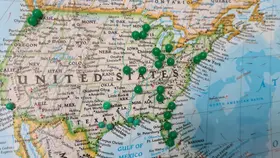
As of 2026, more than half of U.S. states offer some form of tuition-free community college program. Below is a breakdown of notable examples.
States with Established Statewide Programs
These states have broad, well-established programs available to most residents who meet eligibility criteria.
| State | Program Name | Key Features |
|---|---|---|
| Tennessee | Tennessee Promise | Last-dollar; recent high school graduates; mentoring included |
| New York | Excelsior Scholarship | Income-based; covers public college tuition |
| California | California College Promise | Fee waivers for first-time students; varies by district |
| Oregon | Oregon Promise | Grants for recent graduates; GPA requirements apply |
| Rhode Island | Rhode Island Promise | Covers tuition and fees for full-time students |
For example, Tennessee’s program has become a national model, combining financial aid with structured mentoring and community service requirements. More details are available through the Tennessee Promise official site.
States Expanding Access to Adult Learners
Many newer programs are targeting adult students returning to school, reflecting workforce reskilling needs.
| State | Program Name | Target Group |
|---|---|---|
| Michigan | Michigan Reconnect | Adults 25+ without degrees |
| Indiana | Next Level Jobs | Workforce certifications |
| Kentucky | Work Ready Kentucky Scholarship | High-demand fields |
| Maine | Free College Scholarship | Expanded to adult learners in 2025 |
Michigan’s initiative, for instance, has significantly boosted adult enrollment since its expansion. Learn more at Michigan Reconnect.
States with “Promise” Programs by Region or City
Some states do not offer universal statewide programs but have strong regional or city-based initiatives.
Examples include:
- Local “Promise Zones” in parts of Michigan
- City-based scholarships in states like Missouri and Pennsylvania
- County-funded programs tied to local workforce development
These programs often partner with local employers and school districts, creating pipelines from high school to community college to employment.
Key Eligibility Requirements
While details vary, most tuition-free community college programs share common requirements:
Residency
Students must typically be residents of the state offering the program.
Enrollment Status
- Full-time enrollment is often required
- Some programs now allow part-time attendance, especially for adult learners
Academic Criteria
- Minimum GPA (often 2.0–2.5)
- Continuous enrollment requirements
FAFSA Completion
Nearly all programs require students to complete the Free Application for Federal Student Aid. Visit https://studentaid.gov for official guidance.
Service or Participation Requirements
Some programs include:
- Community service hours
- Mandatory advising or mentoring
- Career pathway participation
What Costs Are Not Covered?
Even in states with tuition-free programs, families should plan for additional expenses:
- Books and supplies
- Transportation
- Housing and meals
- Technology and lab fees
According to the College Board, these non-tuition costs can exceed tuition itself, particularly for commuter students.
Benefits of Tuition-Free Community College
Increased Access
Students who might not otherwise attend college are enrolling in greater numbers.
Reduced Debt
Graduates of these programs often complete degrees with little to no student loan debt.
Flexible Pathways
Students can:
- Transfer to four-year universities
- Enter the workforce quickly
- Stack credentials over time
Stronger Local Economies
States benefit from a more skilled workforce aligned with industry needs.
Potential Limitations and Criticisms
While widely praised, tuition-free programs are not without challenges.
Complexity
Eligibility rules can be confusing, especially for first-generation students.
Limited Coverage
“Free tuition” does not mean “free college,” which can lead to misconceptions.
Uneven Access
Programs vary significantly by state, creating geographic inequities.
Funding Sustainability
Some programs rely on annual state budgets, making long-term stability uncertain.
How to Choose the Right Program
For families evaluating tuition-free community college options, consider the following:
Compare Program Structures
- Is it first-dollar or last-dollar?
- What expenses are covered?
Review Academic Requirements
- Are GPA thresholds realistic?
- What happens if a student falls below requirements?
Evaluate Transfer Opportunities
Look for articulation agreements with four-year universities to ensure credits transfer smoothly.
Consider Career Alignment
Programs tied to high-demand industries often offer better job placement outcomes.
The Future of Tuition-Free Community College
The momentum behind tuition-free community college programs shows no signs of slowing in 2026. Several trends are shaping the next phase:
Expansion to Four-Year Pathways
Some states are exploring free tuition for the first two years of public university systems.
Increased Focus on Workforce Credentials
Short-term certificates and industry-recognized credentials are becoming central to program design.
Greater Support Services
States are investing in:
- Academic advising
- Career counseling
- Mental health services
Federal-State Partnerships
Ongoing policy discussions could lead to more coordinated national support for free college initiatives.
Frequently Asked Questions
Are tuition-free community college programs truly free?
Not entirely. Most cover tuition only, leaving students responsible for living expenses and materials.
Do these programs apply to all students?
Eligibility depends on residency, income, academic performance, and enrollment status.
Can students transfer after attending for free?
Yes, many programs are designed with transfer pathways to four-year universities.
Are part-time students eligible?
Some states now allow part-time enrollment, particularly for adult learners, but many programs still prioritize full-time students.
Conclusion
Tuition-free community college programs are reshaping access to higher education across the United States. As more states adopt and expand these initiatives, students have increasing opportunities to pursue degrees and credentials without the burden of tuition costs.
However, not all programs are created equal. Families should carefully evaluate eligibility requirements, covered expenses, and long-term academic pathways. With the right planning, tuition-free community college programs can serve as a powerful and practical starting point for higher education in 2026 and beyond.