
Tuition-free community college programs have moved from pilot initiatives to a central feature of higher education policy across the United States. As of 2026, more states are investing in “last-dollar” and “first-dollar” scholarship models designed to make two-year degrees accessible without the burden of tuition costs.
For families navigating rising college expenses, understanding where tuition-free community college programs exist, how they work, and who qualifies is increasingly important. While “free college” rarely covers every cost, these programs significantly reduce financial barriers and expand access to workforce-ready credentials.
This guide examines the growth of tuition-free community college programs, highlights states currently offering them, and explains what prospective students should know before applying.
What Does “Tuition-Free” Really Mean?
Despite the appealing label, tuition-free programs vary widely in structure. Most fall into two categories:
Last-dollar programs
- Cover remaining tuition after federal and state grants are applied
- Often require FAFSA completion
- May not cover fees, books, or living expenses
First-dollar programs
- Cover tuition upfront before other aid is applied
- Allow students to use federal aid for additional expenses
- Less common, but growing in popularity
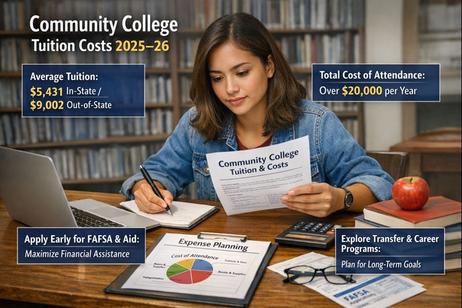
According to the National Center for Education Statistics, average community college tuition remains relatively low compared to four-year institutions, but total costs still present barriers for many students. Tuition-free programs aim to close that gap.
Why States Are Expanding Free Community College
Several forces are driving the rapid expansion of these programs:
Workforce Demand
States are facing shortages in skilled labor sectors such as