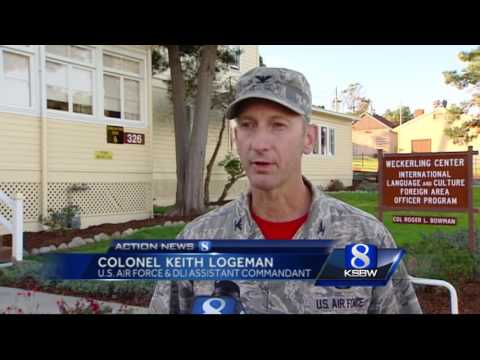
- Defense Language Institute provides culturally-based foreign language education, training, evaluation, research, and sustainment for DoD personnel in order to ensure the success of the Defense Language Program and enhance the security of the nation. The Defense Language Institute Foreign Language Center (DLIFLC) is regarded as one of the finest schools for foreign language instruction in the nation. As part of the Army Training and Doctrine Command (TRADOC), the Institute provides resident instruction at the Presidio of Monterey in 23 languages and two dialects, five days a week, seven hours per day, with two to three hours of homework each night. Courses last between 26 and 64 weeks, depending on the difficulty of the language. DLIFLC is a multi-service school for active and reserve components, foreign military students, and civilian personnel working in the federal government and various law enforcement agencies.
Quick Facts (2026)
- Source: Integrated Postsecondary Education Data System (IPEDS)
School Overview
Defense Language Institute
(CA) Community College Avg.
Carnegie Classification
Associates--Public Special Use
Baccalaureate/Associate's Colleges: Associate's Dominant
Institution Level
Less than 2 yrs
At least 2 but less than 4 years
Institution Control
Public
Public
Year Founded
1941
Total Faculty
n/a
315 staff
School Calendar
Student Body
The Defense Language Institute diversity score of 1.00 is more than the state average of 0.70. The school's diversity has stayed relatively flat over five years.
Total Enrollment
n/a
9,796 students
Student-Teacher Ratio
n/a
32:1
# Full-Time Students
n/a
1,259 students
# Part-Time Students
n/a
8,537 students
# Enrollment Undergraduate
n/a
242 students
# Full-Time Undergraduate Students
n/a
1,250 students
# Full-Time Graduate Students
n/a
63 students
# Part-Time Undergraduate Students
n/a
8,299 students
# Part-Time Graduate Students
n/a
10 students
Total Dormitory Capacity
n/a
121 students
% Asian
n/a
13%
% Hispanic
n/a
47%
% Black
n/a
7%
% White
n/a
23%
% Hawaiian
n/a
1%
% Two or more races
n/a
5%
% Non Resident races
n/a
1%
% Unknown races
100%
3%
Diversity Score
n/a
0.70
College Completion Rate (Students who graduate in less than 4 years)
n/a
42%
College Completion Rate (Students who graduate in 4 years or more than 4 years)
n/a
43%
Tuition and Acceptance Rate
% Students Receiving Some Financial Aid
n/a
85%
Median Debt for Graduates
n/a
$10,500
Median Debt for Dropouts
n/a
$6,239
Acceptance Rate
n/a
93%
Source: 2023 (or latest year available) Integrated Postsecondary Education Data System (IPEDS) , School Administrators
School Notes
- School Mascot: Eagle
- Sample of notable school alumni/alumnae:
- Former Defense Secretary Robert Gates - Class of 1965 -
- Nobel Laureate in Literature - John Steinbeck, Honorary Degree -
Frequently Asked Questions
Who are famous alumni from Defense Language Institute?
Defense Language Institute famous alumni include: Former Defense Secretary Robert Gates - Class of 1965 and Nobel Laureate in Literature - John Steinbeck, Honorary Degree.
Recent Articles

Test Article, Image and Content
Test Test Test Test Test Test Test Test Test Test Test Test Test Test Test Test Test Test Test Test Test Test Test Test Test Test Test Test Test Test Test Test Test Test Test Test Test Test Test Test Test Test Test Test Test Test Test Test Test Test Test Test Test Test Test Test Test Test Test Test Test Test Test Test Test Test Test Test Test Test Test Test Test Test Test Test Test Test Test Test Test Test Test Test Test Test Test Test Test Test Test Test Test Test Test Test Test Test Test Test Test Test Test Test Test Test Test Test Test Test Test Test Test Test Test Test Test Test Test Test Test Test Test Test Test Test Test Test Test Test Test Test Test Test Test Test Test Test Test Test Test Test Test Test Test Test Test Test Test Test Test Test Test Test Test Test Test Test Test Test Test Test Test Test Test Test Test Test Test Test Test Test Test Test Test Test Test Test Test Test Test Test Test Test

Faith Formation Integrated Across Subject Areas
Explore faith formation integrated across subject areas and its impact on curriculum, student outcomes, and community colleges.

Parish-Based Governance Models in Catholic Schools
Explore parish-based governance models in Catholic schools and their impact on leadership, funding, and community colleges.